TradingView: A Comprehensive Overview
TradingView is a leading web-based charting platform and social network for traders and investors. It offers a wide array of tools for technical analysis, financial data, and community engagement. Whether you're a seasoned professional or just starting out, TradingView provides resources to help you make informed decisions in the financial markets.
Based in Austin, Texas, TradingView has grown to become a hub for millions of users worldwide who share ideas, strategies, and insights on stocks, cryptocurrencies, forex, and other asset classes. Its user-friendly interface and powerful features make it a popular choice among traders of all levels.
Platform Features
TradingView boasts a rich set of features designed to enhance your trading experience. Here are some of the key highlights:
- Advanced Charting: Create custom charts with a variety of tools, indicators, and drawing objects.
- Real-Time Data: Access live quotes and data from exchanges around the world.
- Screeners: Filter and identify potential trading opportunities based on various criteria.
- Alerts: Set up alerts to be notified of price movements or indicator signals.
- Trading Integration: Connect your broker account to trade directly from the TradingView platform.
- Paper Trading: Practice your trading strategies in a simulated environment.
Charting Tools
The heart of TradingView is its robust charting functionality. Users can customize their charts with a wide range of tools and indicators to perform technical analysis.
Types of Charts
- Candlestick Charts: The most popular type of chart, displaying open, high, low, and close prices.
- Bar Charts: Similar to candlestick charts, but with a slightly different representation.
- Line Charts: Simple charts that connect closing prices over time.
- Area Charts: Line charts with the area below the line filled in.
- Heikin Ashi Charts: Modified candlestick charts that filter out noise and smooth price action.
- Renko Charts: Charts that only display price movement, ignoring time and volume.
- Point & Figure Charts: Charts that use X's and O's to represent price movements.
Indicators and Strategies
TradingView offers hundreds of built-in indicators, as well as the ability to create your own custom indicators using Pine Script, TradingView's proprietary scripting language. Popular indicators include:
- Moving Averages (MA): Smooth price data to identify trends.
- Relative Strength Index (RSI): Measure the magnitude of recent price changes to evaluate overbought or oversold conditions.
- Moving Average Convergence Divergence (MACD): Identify changes in the strength, direction, momentum, and duration of a trend in a stock's price.
- Fibonacci Retracements: Identify potential support and resistance levels based on Fibonacci ratios.
- Bollinger Bands: Measure the volatility of a market.
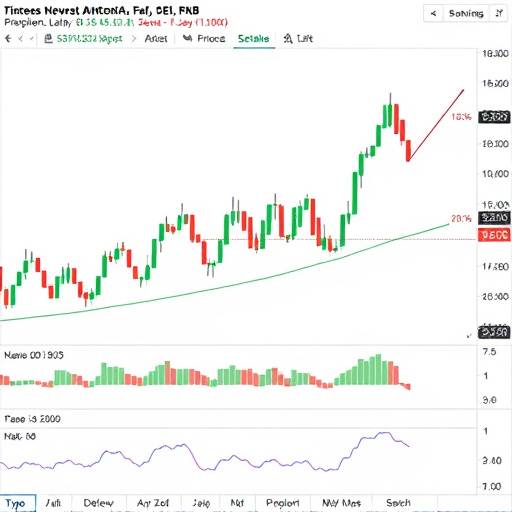
Example of a customized TradingView chart with candlestick patterns and moving averages.
Social Aspects and Community
TradingView is more than just a charting platform; it's a vibrant social network for traders. Users can:
- Share Ideas: Publish your trading ideas and analysis for others to see.
- Follow Traders: Follow other traders to stay updated on their insights and strategies.
- Chat with Others: Engage in discussions with other traders in public and private chat rooms.
- Participate in Trading Contests: Test your skills and compete against other traders for prizes.
The community aspect of TradingView fosters collaboration and learning, making it a valuable resource for traders of all skill levels.
Community and Educational Resources
TradingView fosters a strong sense of community, providing a platform for traders and investors to connect, share insights, and learn from one another. Here's how TradingView cultivates its community and supports educational initiatives:
Social Interaction and Idea Sharing
Users can publish their trading ideas, technical analyses, and market predictions on TradingView. These ideas are visible to other users, who can comment, like, and follow the authors. This encourages constructive discussions and collaborative learning.
- Public Profiles: Traders can create profiles showcasing their trading style, expertise, and past performance.
- Following System: Users can follow other traders to stay updated on their latest ideas and market insights.
- Live Streams: Some experienced traders host live streaming sessions, providing real-time market analysis and answering questions from the audience.
- Chat Rooms: TradingView offers various chat rooms dedicated to specific markets, trading strategies, or educational topics.
Educational Content
TradingView offers a wealth of educational resources to help users improve their trading skills and knowledge. These resources include:
- TradingView Blog: The TradingView blog features articles, tutorials, and market analysis from TradingView's team and community members.
- Help Center: The Help Center provides comprehensive documentation on all of TradingView's features and tools.
- Pine Script Documentation: Extensive documentation on Pine Script, TradingView's proprietary scripting language for creating custom indicators and strategies.
- Video Tutorials: TradingView's YouTube channel hosts video tutorials covering various topics, from basic charting techniques to advanced trading strategies.
- TradingView Learn: A dedicated educational platform with structured courses and lessons on trading and investing.
Future Trends
As financial markets evolve, TradingView continues to adapt and innovate. Some potential future trends include:
- Integration with Decentralized Exchanges (DEXs): Enhanced connectivity with platforms like Uniswap for seamless DeFi trading.
- Artificial Intelligence (AI): Incorporation of AI-powered tools for automated analysis and trading.
- Enhanced Mobile Experience: Improved mobile apps for trading on the go.
- Personalized Insights: Customized recommendations based on individual trading styles and preferences.